Lube
Recommendations

 Skip to content
Engine oil is one of the most important fluids in your vehicle. It lubricates moving parts, reduces friction, controls engine temperatures, protects against wear, and helps keep your engine clean and efficient.
Despite its importance, many drivers are unsure about which oil to use, when to change it, or what the numbers on the bottle actually mean. Choosing the right engine oil and maintaining it properly can significantly extend the life of your engine, improve fuel efficiency, and reduce costly repairs.
In this comprehensive guide, we’ll explain everything you need to know about engine oil, from what it actually is and how it works to selecting the right product for your vehicle.
Modern engines contain hundreds of moving components operating at extremely high temperatures and speeds. Without proper lubrication, these components would quickly wear out due to friction and heat. Engine oil performs several critical functions:
Lubrication: Engine oil creates a protective film between moving metal parts, reducing friction and preventing excessive wear.
Cooling: While the cooling system manages most engine heat, engine oil helps dissipate heat from critical internal components.
Cleaning: Engine oil contains detergents and additives that help remove contaminants, sludge, and deposits from the engine.
Corrosion Protection: Quality engine oils protect engine components from rust and corrosion caused by moisture and combustion by-products.
Sealing: Oil helps create a seal between piston rings and cylinder walls, improving compression and engine efficiency.
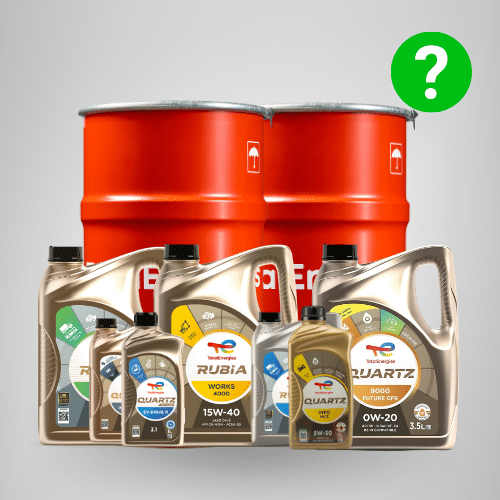
Using the correct engine oil is essential for maintaining vehicle performance and reliability.
The wrong oil can result in:
Manufacturers specify engine oil requirements based on extensive testing to ensure optimal engine protection under various operating conditions.
Additives are chemical compounds that enhance the oil’s performance or inhibit its less desirable properties. They all have specific roles and different chemical structures. Some additives act directly on the surface of materials (anti-wear, extreme pressure, friction modifiers and anti-corrosion). The formulator must ensure that these additives are compatible with one another so that they do not cause any unwanted interactions in the lubricants.
Here are some of the most common reasons for additives:

While all engine oils may appear similar, quality varies significantly between products. Premium engine oils contain advanced additive technology designed to provide enhanced protection and performance.
Improved Engine Protection: High-quality oils help reduce wear on critical engine components, extending engine life.
Cleaner Engines: Advanced detergents help minimise sludge and deposit formation.
Better Fuel Economy: Reduced friction can contribute to improved fuel efficiency.
Enhanced Temperature Control: Premium oils maintain performance across a wider temperature range.
Longer Oil Life: Higher-quality formulations often resist breakdown longer, helping maintain protection throughout service intervals.
For fleet operators and commercial vehicle owners, investing in quality lubricants can significantly reduce maintenance costs and downtime.
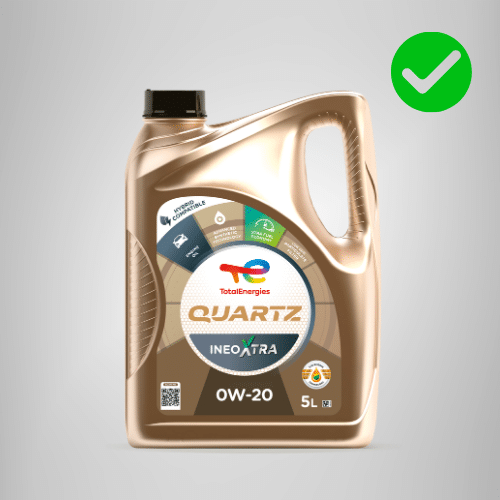

Regular oil changes are one of the simplest and most effective ways to protect your engine. Waiting too long between oil changes can reduce engine protection and accelerate wear.
Common signs that an oil change may be due include:
Manufacturer-recommended service interval reached
How Often Should Engine Oil Be Changed?
Oil change intervals vary depending on:
Always consult your owner’s manual or lubricant specialist for guidance.

One of the most common questions drivers ask is what the numbers on an oil container mean.
For example: 5W-30
The first number followed by “W” refers to the oil’s performance in cold temperatures (“Winter”). The second number indicates how the oil performs at normal engine operating temperatures.
Generally:
Choosing the correct viscosity ensures proper oil flow, lubrication, and protection in all driving conditions.
Common Viscosity Grades
Each grade is designed for specific engine designs and operating conditions.
Not all engine oils are created equal. Understanding the differences can help you make the best choice for your vehicle and driving conditions.
Synthetic Engine Oil
Synthetic oils are engineered using advanced refining processes and high-performance additives. Synthetic oils are commonly recommended for modern engines and demanding operating conditions. Benefits include:
Semi-Synthetic Engine Oil
Semi-synthetic oils combine mineral oil with synthetic base oils. They offer a practical balance between performance and affordability. Benefits include:
Mineral Oil
Mineral oil is derived straight from crude oil, it is the most conventional and traditional form of engine lubrication. Mineral oil is thicker, making it ideal for older, classic cars or simpler engines where thinner oils might cause leaks.
TotalEnergies offer the best and most extensive range of oil, grease and lubricants New Zealand has to offer. Our three hero brands, Quartz, Rubia & Hi-Perf address the demands of a diverse range of drivers, no matter the vehicle of choice. Our premium engine oils are all specially formulated and thanks to our long history of research and development our products are designed to exceed your expectations.
Learn more about our hero brands by clicking the images below.
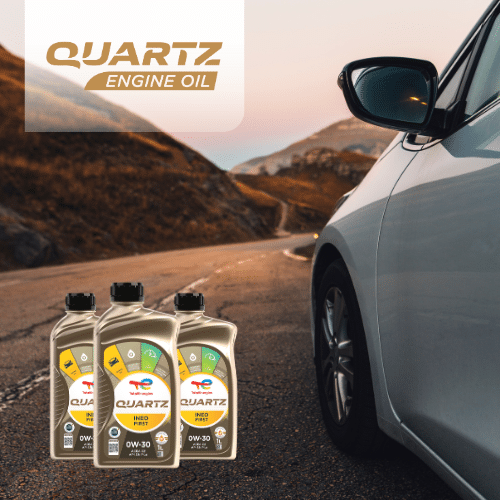
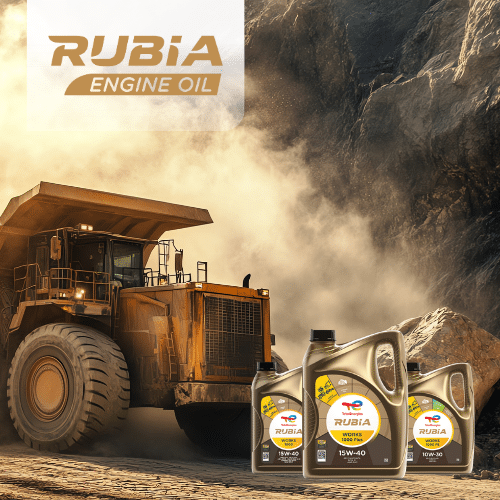
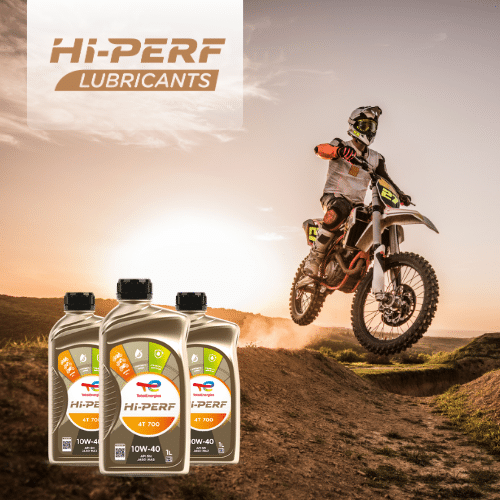
Selecting the right engine oil doesn’t have to be complicated. Search our Total Net Lube tool to find the oil that’s right for your vehicle. Alternatively, download our App to have accurate oil recommendations at your finger tips.
By understanding viscosity grades, oil types, service intervals, and manufacturer requirements, you can make informed decisions that protect your investment and keep your vehicle running efficiently.
Whether you operate a passenger vehicle, light commercial fleet, heavy-duty truck, agricultural equipment, or industrial machinery, using the right lubricant is one of the most effective ways to maximise reliability and performance.
If you’re unsure which engine oil is best for your vehicle, contact our technical team for expert lubricant advice and product recommendations.


While mixing oils is generally not recommended, it is usually acceptable in emergencies. However, for optimal protection, use the oil grade and specification recommended by your vehicle manufacturer.
Yes. Synthetic oils generally provide better resistance to breakdown and oxidation, allowing for longer service intervals when approved by the manufacturer.
Using an incorrect viscosity or specification may reduce protection, increase wear, and potentially affect warranty coverage.
Oil naturally darkens as it collects contaminants and combustion by-products. Dark oil alone does not necessarily indicate that an oil change is overdue.

