How to Know When It's Time to Change Your Engine Oil?
Maintaining your vehicle isn’tjust about keeping it clean or making sure it has enough fuel. One of the most crucial aspects of car ownership is understanding the importance of engine oil and knowing when to change it. Think of engine oil as the lifeblood of your vehicle’s engine—it lubricates, cools, and cleans, ensuring everything runs smoothly. But just like any vital fluid, engine oil doesn’t last forever, over time, it can degrade, leaving your engine vulnerable to damage, which raises the question, how do you know when it’s time to change your engine oil?
Signs it's time for an Oil Change
Recognizing the signs that your engine oil needs to be changed is just as important as adhering to the recommended intervals. While mileage and time are key indicators, several visual and auditory cues can help you stay ahead of potential engine issues. Being proactive in monitoring these signs can save you from costly repairs and keep your vehicle running smoothly.Let’s dive in and explore the recommended oil change intervals and the signs that signal it’s time to change your oil!
Check Engine Oil Light Activates
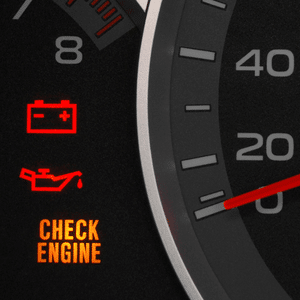
One of the most direct indicators of oil-related issues is the illumination of the “Check Engine” or “Oil Change” light on your dashboard. This warning is your vehicle’s way of communicating that something requires immediate attention. It could mean low oil levels or, in some cases, signify more serious engine troubles. Ignoring these lights can lead to severe damage, so make sure to address the issue promptly.
Engine Noises and knocking Sounds
A well-functioning engine operates quietly. If you start hearing unusual noises, such as knocking or rattling, it may indicate that your oil is no longer providing adequate lubrication. The engine relies on oil to minimize friction, so any degradation can lead to increased wear and tear on the engine components. If you notice these sounds, it’s wise to check your oil level and quality immediately.
Oil Colour & Consistency
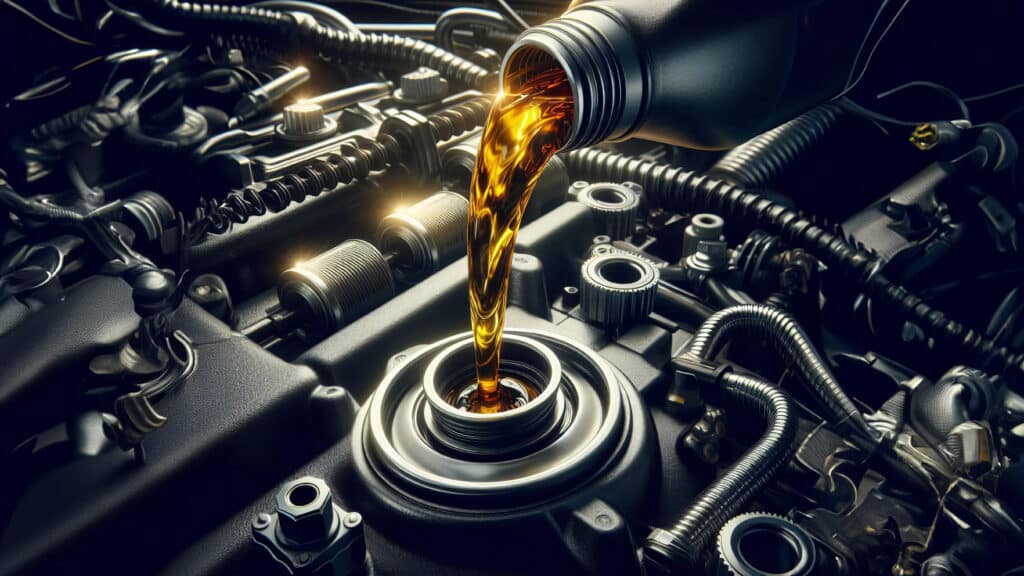
Regularly checking the color and consistency of your engine oil can provide valuable insights into its condition. Fresh oil is usually a clear amber color, but as it ages and degrades, it turns darker and becomes more viscous. If you find that the oil on your dipstick is dark and opaque, resembling thick sludge, it’s a strong signal that an oil change is overdue. Keeping an eye on these visual changes is a simple yet effective way to maintain engine health.
Other Key Indicators Include
Recommended Mileage Intervals: Most manufacturers recommend changing your oil every 5,000 to 10,000 kilometers, depending on whether you’re using conventional or synthetic oil. Always refer to your vehicle’s owner manual for specific recommendations tailored to your make and model.
A burnt smell from your engine oil is a clear indicator that it’s time for a change. Burnt oil can lead to significant engine damage if not addressed quickly
Checking the oil level: Begin by checking your oil level using the dipstick, typically found under the hood of your vehicle. The dipstick will have markings that indicate whether the oil level is sufficient. If the oil level falls below the recommended mark, it might be time for an oil change or at least an oil top-up.
Choosing the correct engine oil
Oil is the lifeblood of your car’s engine. Without it, your car would cease functioning within minutes and your engine would likely sustain critical damage. Today’s engine specifications are becoming increasingly strict and with the introduction of hybrid and electric vehicles, choosing the right oil for your engine is more important now than ever.
Which Engine Oil should I use?
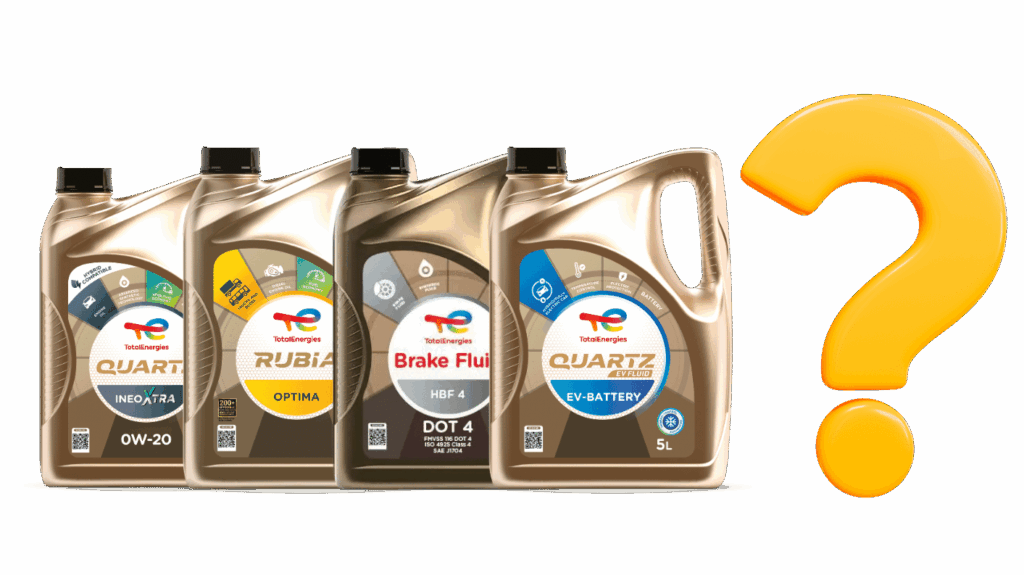
Several factors determine which engine oil you should use. Key among them are the type of fuel your engine uses (petrol or diesel), and the conditions that you normally drive in, such as stop-and-go traffic, or extremely hot or cold temperatures.
All manufacturers recommend the type of oil that is best suited for their cars. Usually, this information is clearly stated under the hood on the oil cap. If you can’t find it there, it will be listed in the owner’s manual. Some manufacturers may recommend different types of oil depending on the weather conditions in which you will be operating your vehicle. Deviating from the manufacturer’s specifications is not recommended.
Vehicle manufacturers (OEMs) also grant approvals to specific engine oils when they meet the exact requirements of particular car models.
What happens if I use the wrong Engine Oil?
Using incorrect oil will put extra stress on your engine’s internal components and could:
void the warranty on your car
decrease fuel economy
cause premature wear on engine components
ultimately shorten the life of your engine
Your engine was designed to run on oil of a specific viscosity rating. If you don’t put this type of oil in your engine, your car won’t get the gas mileage, emissions, and horsepower promised by the manufacturer. Using the wrong engine oil also absolves the manufacturer of repairing or replacing any damaged parts if your car is still under warranty.
How to find the right Oil for my vehicle
Finding the right engine oil for your vehicle is as easy as entering your registration number with our new NetLube App.
Download our app today from the Apple Store or Google Play Store and take the first step towards optimizing your vehicle’s performance.
Scan the QR code or search TotalEnergies NetLube to download.
TotalEnergies NetLube app is also available to use on our website. Search recommended products for your vehicle on our website here
We use cookies to ensure that we give you the best experience on our website. If you continue to use this site we will assume that you are happy with it.


 Skip to content